

Garden Puzzles - Part One
How Toxic is Boron?
Diagnosing Abiotic vs. Biotic Plant Disorders -- Help Us Help You
By Valorie Shatynski, UC Master Gardener
This series of two articles will delve into the strategy for figuring out what is causing a problem in the garden, or to give the Master Gardeners helpful information if you reach out to us on the Hotline.
Often, plant diagnosis is similar to sleuthing out a mystery or solving a puzzle. Many inquiries to the Master Gardener Hotline via phone message or email assume the problem is an organism (ranging from gophers to insects to other microorganisms), followed by a request for recommendation of the pesticide or herbicide to be used.
However, home gardens are frequently impacted by an “abiotic” problem caused by nonliving or chemical effects in the environment. Examples of abiotic problems include moisture levels, temperatures, wind, and the presence of inorganic compounds naturally occurring and those introduced via human activities. Abiotic problems, if not remedied, can weaken plants, making them more susceptible to problems caused by living organisms (known as “biotic disorders” or “pests”). Many pests can spread infections making the problem worse. For example, chewing insects may be attracted to a specific host plant and spread infections as they move from plant to plant. One such insect is the Asian citrus psyllid which spreads the Huanglongbing virus. The bacteria are deadly to citrus and there is no cure. For information go to: ipm.ucanr.edu and search for the “Asian citrus psyllid”.
The key to determining the cause of the problem is to pause and observe. Regular walkabouts in our yards and gardens can reveal changes in plants which provide clues to help identify the problem. The nature of changes in gardens can shed light on diagnosing whether the cause is abiotic, biotic or both, and thus guide the corrective action. Here are a few examples:
If roses show black areas especially on the south and west branches (canes), sunburn is suspect. Rose bushes can be burned from heat reflected from masonry and siding on buildings, rock mulch, as well as direct exposure. This is considered an abiotic disorder. However, if the rose bush is defoliated due to an aphid infestation, the exposed canes can experience sunburn. In this case, the initial cause is biotic (aphids), and the secondary disorder is abiotic (sunburn).
Consider exposures from over or underwatering (abiotic) which would also make the plant more susceptible to biotic disorders from pests or other microorganisms. Modification to watering practices should be considered for the needs of each specific plant type. A frequent watering issue comes from grouping plants that have different watering needs together and then watering uniformly for everything. Trees planted within lawn areas have different water and nutrient requirements. A common practice is to water lawns for very short periods (10 minutes or less). However, trees are deep rooted and require less frequent watering for longer periods so that their root system is permeated. Tree roots in the shallow turf area are the observable evidence that deeper, less frequent watering is needed. These large roots are up searching for moisture because water never permeates through the root zone. If the watering is done less frequently for longer periods and early in the day, both the lawn and tree will benefit. Additionally, turf is less likely to develop rust and other moisture-borne diseases when watered this way.
Inorganic compounds which include some elements in our soil, water supply , and fertilizers can weaken plants or become toxic in excessive amounts. This is another example of an abiotic disorder. Too much sodium can cause calcium deficiency. The symptoms could be burnt leaves, stunting or wilting, and yellowing of leaves between the veins (chlorosis or lack of chlorophyl). These conditions can be toxic and cause death of seedlings and young plants.
Excessive boron and other ionic compounds such as ammonium from fertilizers (especially manure) can be toxic to plants. Salts in the soil and water supply can accumulate over time and damage plants or even be toxic. The UCANR resource at the following link: https://ipm.ucanr.edu/PMG/GARDEN/PLANTS/DISORDERS/boronexcess.html describes actions to correct some of these issues. In general, improving drainage and following instructions for fertilizers are recommended, paying careful attention to the product label’s directions as to dose, timing , and cautions.
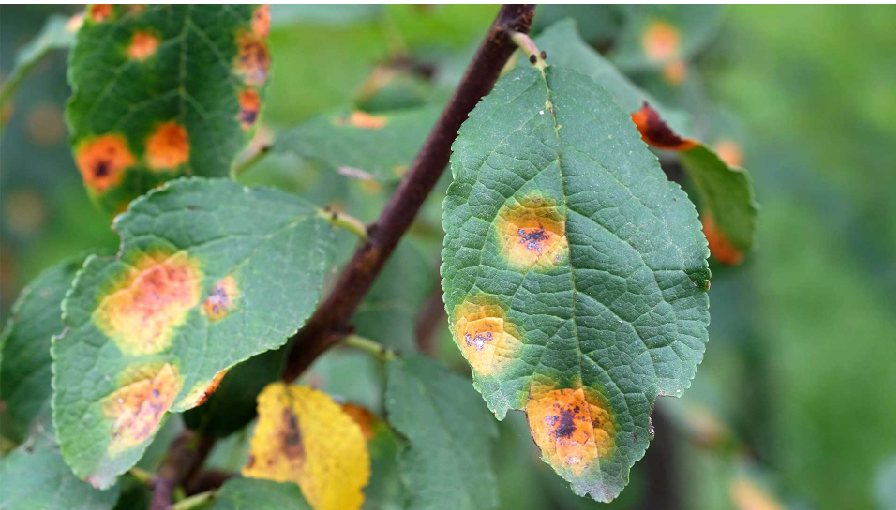
Some observations may require very close examination with a magnifying glass to reveal evidence of an actual pest or living organism. If you see mushrooms, rust, pustules, bacterial ooze, honeydew or frass, a pest or disease is likely the cause of those observed symptoms. The underside of leaves and branches may be the home of very small insects or organisms that are difficult to see with the naked eye.
In summary, take note of what you see and what you know about your landscape. Once combined, all the factors taken together will help to identify the problem and find a solution. Knowledgeable and friendly volunteer Master Gardeners are available for free via the Hotline message service and email. The more information you provide the better! Email us at help@mastergardenersd.org or call us at (858) 822-6910.
Another way to get solutions is to visit the University of California Integrated Pest Management (UCIPM) website at https://ipm.ucanr.edu/PMG/menu.homegarden.html.
Next month, we will share the Master Gardeners “Checklist for Plant Diagnosis,” with more helpful guidance to aid in diagnosing garden problems.
Sources:
- What are Abiotic Plant Disorders? | UC Agriculture and Natural Resources: https://ucanr.edu/blog/pests-urban-landscape/article/what-are-abiotic-plant-disorders, October 3, 2022; Lauren Fordyce, Belinda Messenger-Sikes
Valorie Shatynski has been a UC Master Gardener since 2016