

Garden Puzzles - Part Two
October Dig It! Garden Puzzles Part 2
A Checklist for Plant Diagnosis
By Valorie Shatynski
Last month in DIG IT!, we discussed strategies for making observations in the garden to aid in diagnosing plant problems. Because plant diagnosis is like piecing together a puzzle in order to get a more complete description of the problem, this month we are sharing guidance from the Master Gardeners “Checklist for Plant Diagnosis,” (California Master Gardener Handbook, 2nd Ed., Publication 3382, pg. 690). The Checklist is broken into observation categories:
- Gather information about the plant:
Note information about the affected plant(s) such as type and age. Details regarding exposure to shade, sun, and wind are important. It is also useful to know if the plant is located in or near buildings, structures or hardscaped areas as well as adjacent conditions such as a neighbors’ fence line or street sidewalks. Also notable is whether the plant is in a turf area, and what other plants are nearby.
- Describe the problem:
Describe the problem including which parts (i.e., leaves only, stems, roots), and to what the degree the plant is affected. Is the plant losing foliage or is there dieback in a portion of the plant? Is there a healthy plant nearby for comparison? Further, note how long the problem has been impacting the plant. Are other plants affected, and if so, are they the same types or are unrelated?
- Gather information about the soil:
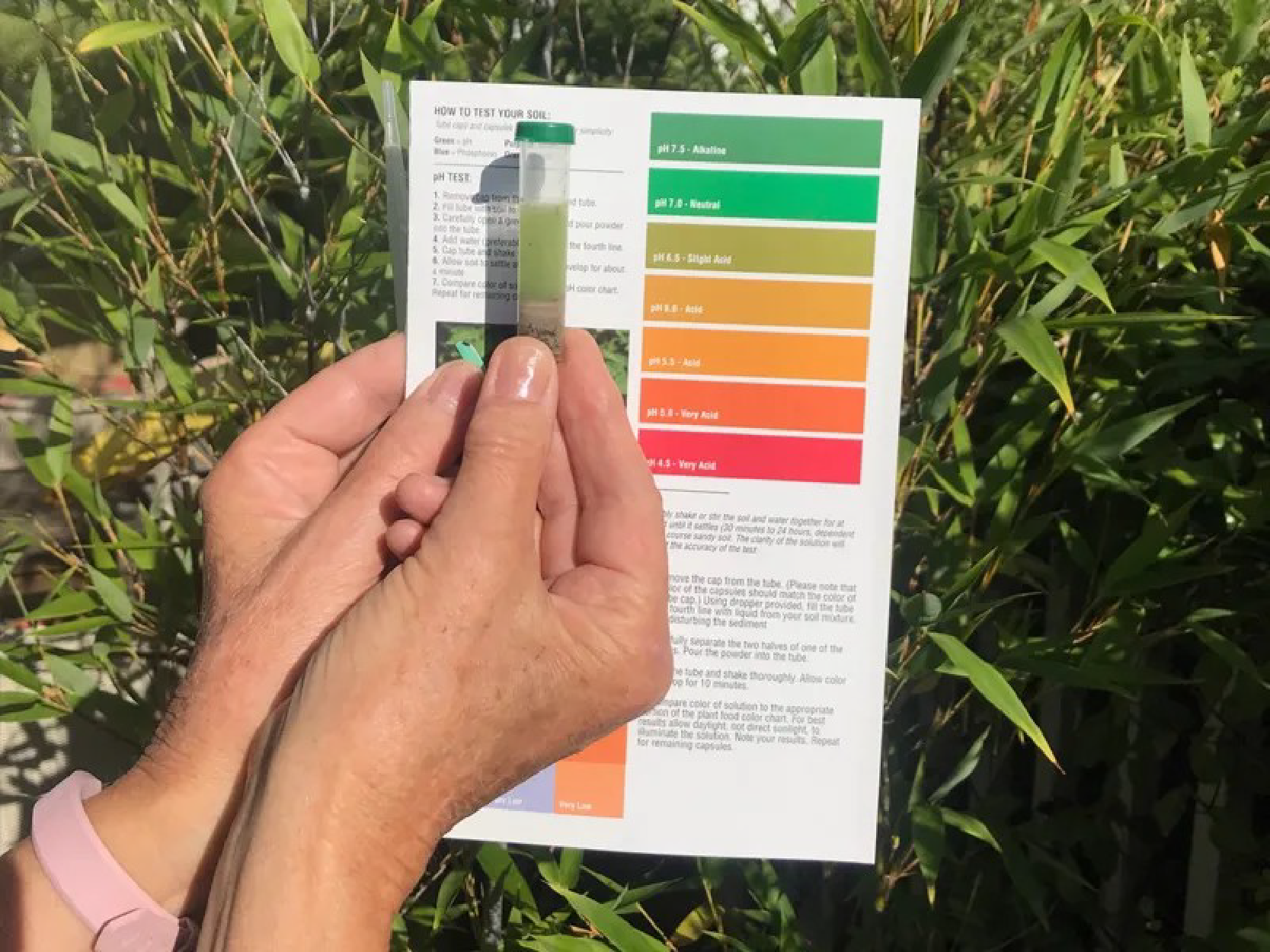
Describe the soil characteristics including whether the soil is light and sandy or heavy like clay. If possible, check for pH (test kits are available at garden centers). Plants differ in tolerance for alkalinity or salinity. Does the soil drain quickly or slowly, and is the plant located on a grade? Also note whether the soil is compacted, and whether amendments (compost, manure, etc.), have been added. UCANR has a soil evaluation guide at the following link https://ucanr.edu/site/uc-marin-master-gardeners/how-evaluate-soil.
- Record applications of fertilizers, pesticides, and other materials used:
List information about types of fertilizers used and the amounts and frequency of application to the plant or the area of the plant(s) in question. Collect information on pesticides, herbicides, insecticides, fungicides or other materials used. Include the product name, concentration, and dates and frequency of applications.
- Watering:
Describe watering methods used on the plant or its area of the garden (such as drip or overhead). Note the frequency, length of time, and time of day. For example, trees should be watered at the outside edge of the canopy, not at the trunk, for longer periods at less frequent intervals.
- Weather conditions:
Consider recent weather conditions such as high winds (Santa Anas), rainfall or drought, and day/night temperature patterns.
Combined, the above information provides an overall picture of the problem and potential solution. This holistic approach provides familiarity with the characteristics and microclimate in our gardens and landscapes. For example, in the case of soil structure deficiencies, the solution would be to amend the soil each season to improve permeability, drainage and nutrient content. This is an ongoing process over several years. An alternative for gardeners is to utilize raised garden beds or pots for plants types that are not tolerant to the conditions in the immediate landscape, or to place certain plants in better locations, as conditions may vary in even the smallest gardens.
In summary, gardening diagnostics can become a deep, rich practice that brings us an awareness of how the above factors weave together. Take note of what you see and what you know about your landscape. Combining all the factors will help to identify the problem and get to a solution. Knowledgeable and friendly volunteer Master Gardeners are available for free via our Hotline message service and email: help@mastergardenersd.org and (858) 822-6910. The more information you can provide us, the more we can help!
Your checklist content will be helpful at another solutions source: the University of California Integrated Pest Management (UCIPM) website at https://ipm.ucanr.edu/PMG/menu.homegarden.html.
Early recognition of issues are flags which can lead us to corrective actions that will help us build healthy gardens!
UC Statewide Integrated Pest Management (IPM) - http://ipm.ucanr.edu/
UC IPM Pest Notes - http://ipm.ucanr.edu/PMG/PESTNOTES/index.html
Valorie Shatynski has been a UC Master Gardener since 2016